Cary Real Estate Update
This week, I received an update from Berkshire Hathaway on the Cary real estate market. Here are some of the key takeaways from the past 30 days:
- Homes for Sale: 735 homes were on the market, a decrease of 6.8%.
- New Listings: 128 homes came onto the market, down 6.1%.
- Days on Market: Homes spent an average of 46 days on the market, an increase of 12.2%.
- Average Home Price: The average listing price was $720,770, up 0.1%.
- Average Sold Price: The average sold price was $694,294, down 7.2%.
These numbers provide a snapshot of Cary’s current real estate market, showing fewer homes available and coming onto the market, while homes are taking longer to sell. Although average home prices remain relatively stable, the decline in average sold prices is worth watching in the coming weeks.
Cary Ranked as one of the Most Desirable Places to Live
The News & Observer reported that Cary ranked No. 23 among the most desirable places to live, according to moveBuddha, an online moving resource. The article noted that the Carolinas continue to attract Americans seeking lower living costs, warmer climates, expanding job markets, and a higher quality of life compared with more expensive regions. Data show that Cary earned the No. 23 spot, with a ratio of 2.08 to 1. Meanwhile, North Carolina ranked No. 5 on a separate list of states where people most want to settle, joining several other Southeastern states in the top 10, including South Carolina, which ranked No. 1. According to moveBuddha, these trends reflect prospective movers’ growing interest in “buyer-friendly states (with jobs) and suburban enclaves where a mortgage won’t break the bank.”
The article also stated “Cary also has made its mark in recent rankings. This year, it was named the state’s best place to call home and one of the nation’s top places to settle down. Between those two reports, the Triangle town was recognized for boasting job opportunities, outdoor activities and lower costs relative to residents’ incomes.”
Wake County Mayors Association
On Monday evening, I attended a meeting of the Wake County Mayors Association, with mayors representing Cary, Fuquay-Varina, Garner, Morrisville, Rolesville, Wake Forest, and Wendell. The two primary topics of discussion were the evaluation of town managers and the availability of health facilities throughout the county.
GRVCB Board Meeting
On Tuesday morning, I attended a meeting of the Greater Raleigh Convention and Visitors Bureau (GRCVB), the official destination marketing organization for all of Wake County.
The Bureau was established in January 1992 by the Wake County Board of Commissioners and the Raleigh City Council, following legislation passed by the North Carolina General Assembly in 1991. It was preceded by the Raleigh Convention and Visitors Bureau, which operated from September 1986 through January 1992 as a department of the Greater Raleigh Chamber of Commerce.
The GRCVB is governed by a 12-member Board of Directors and receives its funding primarily through a share of Wake County’s hotel occupancy and prepared food and beverage taxes.
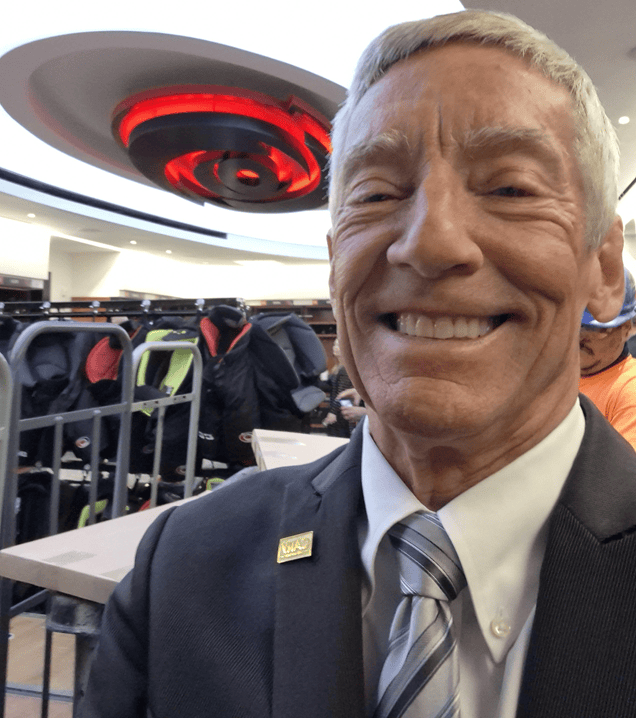
This meeting was held at the Lenovo Center, where attendees received several reports on regional tourism and venue development. One particularly noteworthy update came from the Executive Director of the Centennial Authority, who reported that the availability of steel for ongoing improvements at the Lenovo Center is being significantly affected by demand from construction of data centers. In addition to extended lead times, steel prices reportedly increased by approximately 30% in just one week. These challenges are creating significant difficulties as the center moves forward with its phased improvement plans.
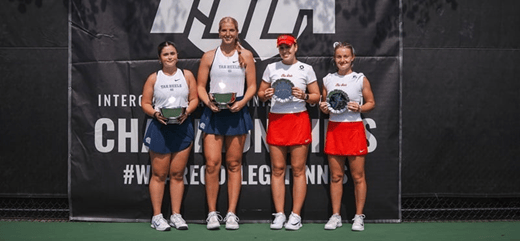
In my role as Cary’s liaison, I provided an update on recent and upcoming events and activities in Cary, including the recently concluded SAS Championship, the upcoming College Cup, and the upcoming Chinese Lantern Festival.
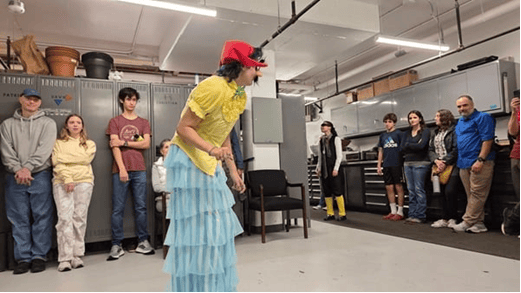
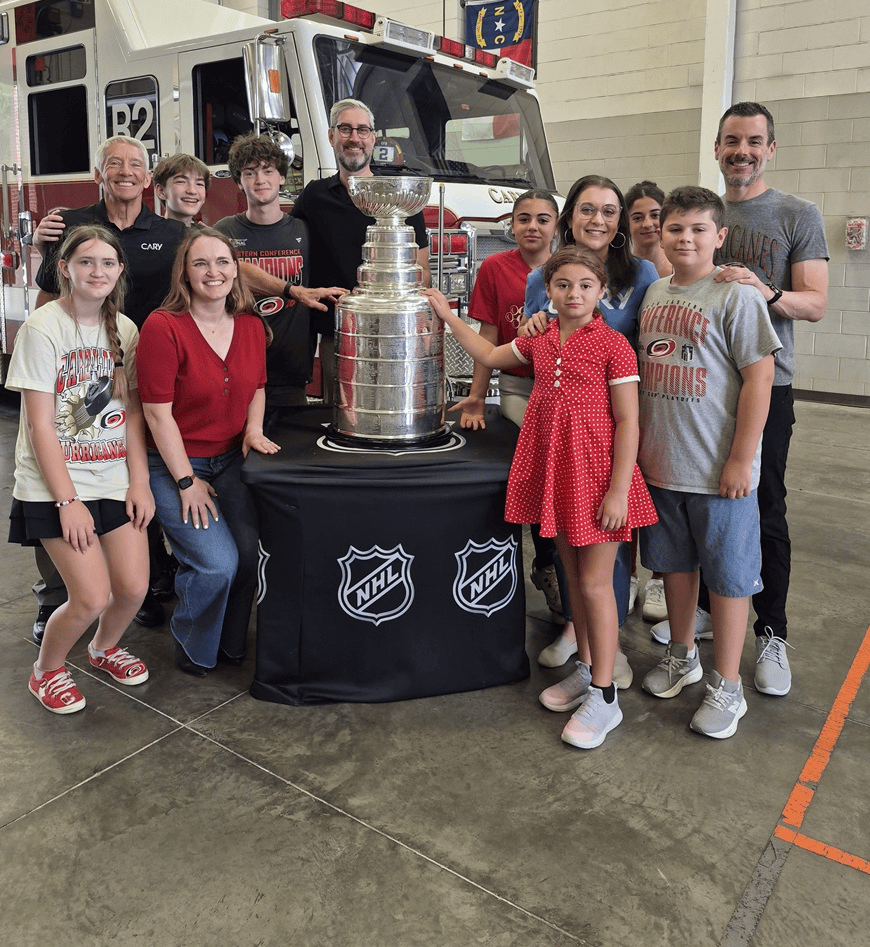
Following the reports, we toured the Lenovo Center to observe the improvements underway, including a visit to the Carolina Hurricanes’ locker room.
Muffins with the Mayor
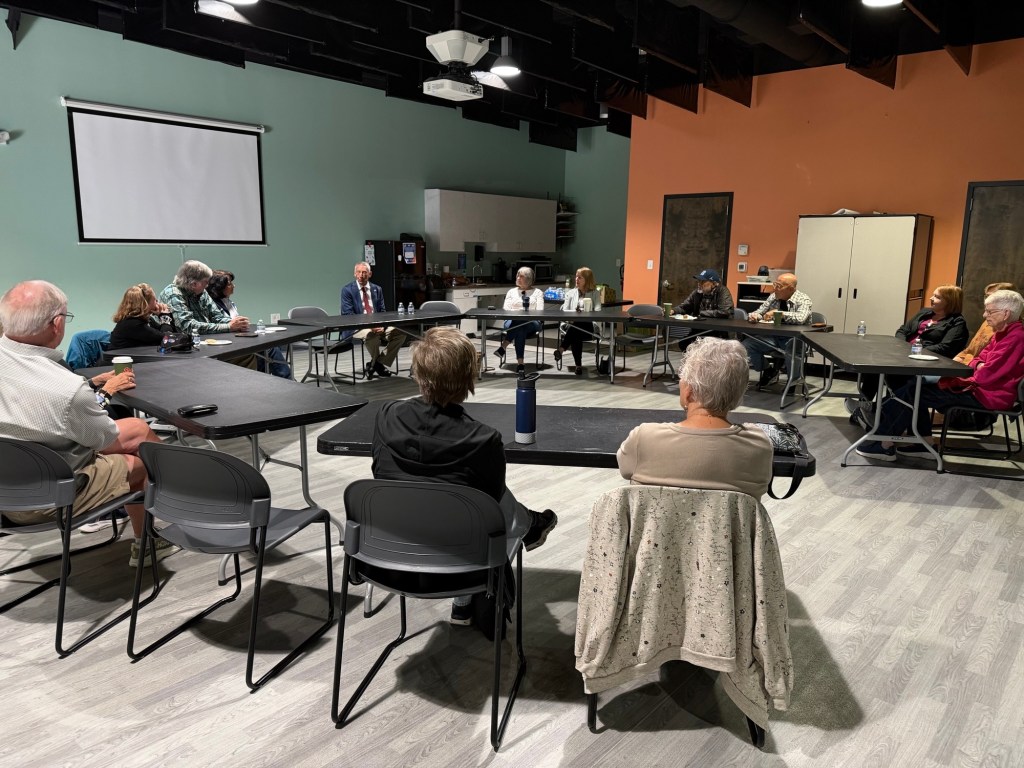
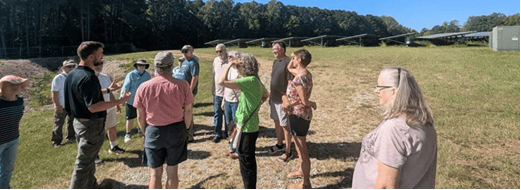
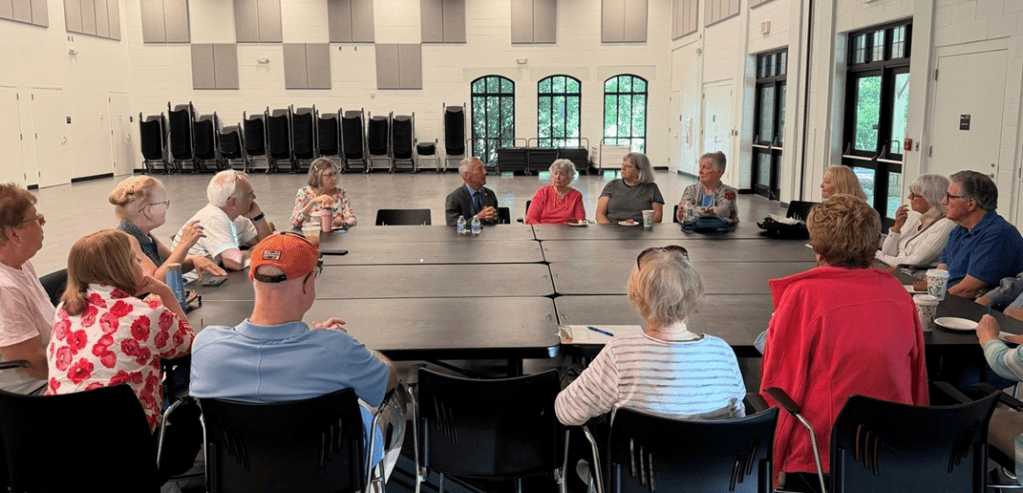
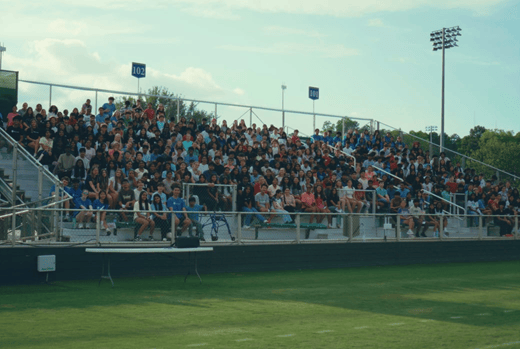
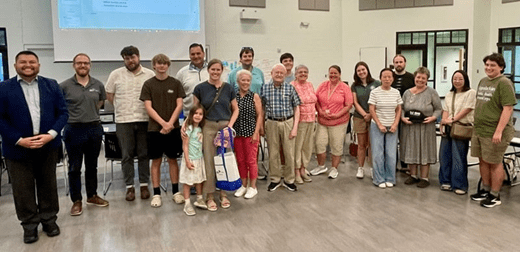
On Wednesday morning, I joined about 20 residents at The Hive in western Cary for “Muffins with the Mayor.” We had an open conversation about whatever was on their minds, including concerns related to the former manager, future preventative measures, taxes, development, traffic in western Cary, and much more.
I truly enjoyed the opportunity to listen, answer questions, and hear directly from our residents. Their surprise applause at the end was a wonderful way to wrap up the morning!
Thank you to everyone who came out, shared their thoughts, and made it such an enjoyable and meaningful conversation!
CAMPO
Wednesday, I attended a meeting of the CAMPO (Capital Area Metropolitan Planning Organization) Executive Board. The agenda included eight consent items and five discussion items.
The consent agenda, which was approved unanimously included minutes, authorization for the Executive Director to sign the final version of the Interlocal Funding Agreement and corridor study with the Town of Knightdale, authorization for the Executive Director to sign the final version of the MOU with for the UZA Federal Funding Temporary Agreement, approval the sub-allocation award for the Raleigh Urbanized Area funding partners for FY 2026, authorization for the Executive Director to enter into a cost sharing agreement with Regional Transportation Safety, approval of additional funding for the Locally Administered Projects Program for the City of Raleigh’s North Blue Ridge Road Widening Project and the Town of Clayton’s S. Robertson and Main Street Sidewalks, and the approval of the draft funding agreement and scope for the NCDOT Triangle Passenger Rail Feasibility Study and authorization for the CAMPO Executive Director to execute the contract pending final administrative review and agreement between CAMPO and NCDOT.
The only decision under discussion was the endorsement of the Cape Fear River Basin Wildlife Crossing Study. All other discussion items were for information only and included a Wake Transit Decennial Update, the fifth amendment to FY 2026-2035 Transportation Improvement Program (TIP), an update on SPOT 8 Division Needs Local Input Point Assignment, and the Safety Performance Measure Targets 2027.
Recommendations Committee Meeting
On Thursday evening, the Council subcommittee tasked with developing policy recommendations based on findings from the State Auditor and consulting firms Womble Bond Dickinson and Cherry Bekaert met for the fourth time.
The committee began by discussing the formation of the Resident Task Force before turning to ethics and gift policies, the development of policy recommendations governing council members’ travel, conferences, events, and meal expenses.
Resident Task Force Formation
The Resident Task Force now has a representative from every board except Planning and Zoning, which is scheduled to meet on October 26 to make its appointment. Once the final representative is selected, the committee will determine the task force’s first meeting date, anticipated to be during the week of November 26. Meetings will be streamed publicly.
The task force will develop recommendations for the Council Recommendations Committee to review and potentially present to the full Council. Topics will include compensation and allowances for elected officials, along with other related matters identified by the Council.
Ethics and Gift Policies
The committee reviewed Policy Statement 164, the Council’s Code of Ethics, and plans to recommend that all Council members formally agree to the code annually.
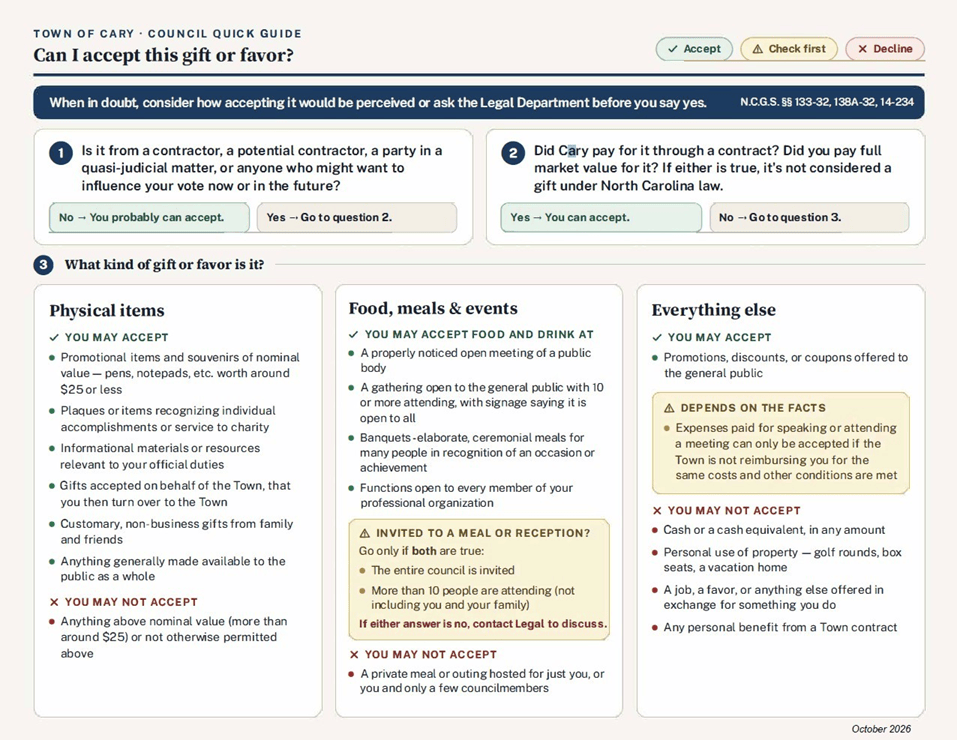
The Town Attorney also presented a flowchart designed to help Council members determine what constitutes a gift or favor.
Travel, Conference, Event, and Meal Expense Policies
The committee then began outlining potential policies for Council members’ travel, conference attendance, events, and meal expenses.
The first proposal addressed annual spending limits. The committee agreed to recommend an annual allotment of $5,000 per Council member. Under the proposed policy, funds could not be transferred between members, and each member would be responsible for expenses exceeding their annual allotment.
The committee also plans to recommend monthly expense disclosures on a Council meeting agenda. These reports would include the name of the Council member, the amount spent, the event attended, and the location.
As the meeting concluded, the committee was discussing a proposed requirement for Council members to provide a summary of their travel, conference attendance, training, and related activities within seven days of returning.
Upcoming Meetings
The committee’s next meeting is scheduled for October 29, followed by additional meetings on November 4 and November 12.
Council Meeting
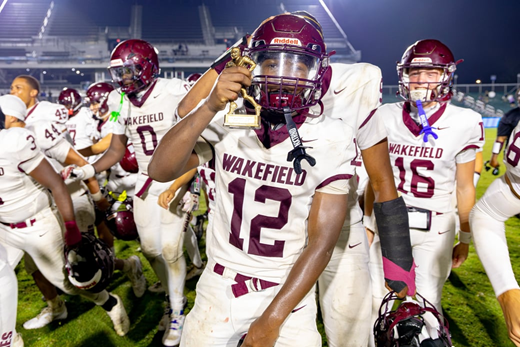
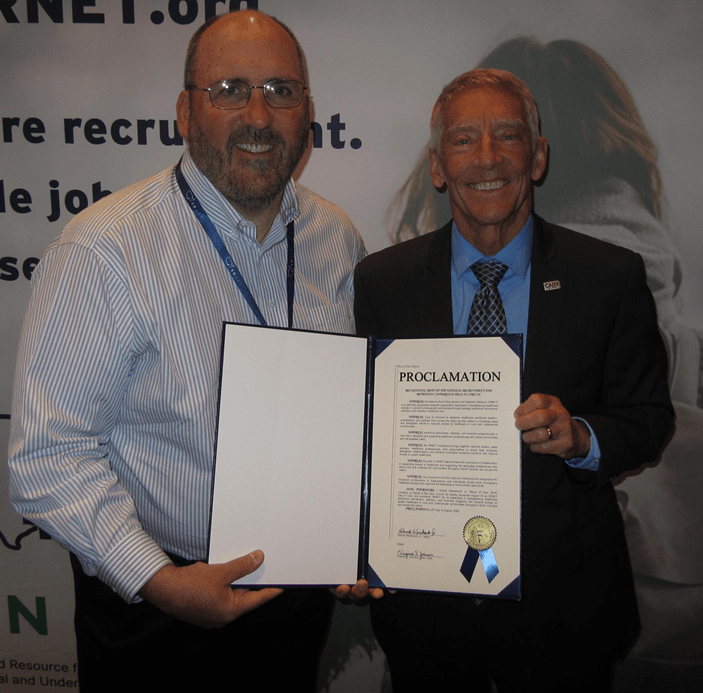
The Cary Town Council held its final regularly scheduled meeting of October on Thursday night. The agenda included the Cary Band Day Proclamation, nine consent agenda items, two public hearings, and four discussion items. One discussion item concerning Council direction on Special Commission Report recommendations was pulled from the consent agenda for further discussion.
The first public hearing invited public feedback on the draft 2025–2026 Consolidated Annual Performance and Evaluation Report. This report outlines how Cary used federal and local funds during the previous fiscal year to advance housing and community development goals.
The second public hearing focused on the Open Space Plan and ACT 46. The Open Space Plan provides recommendations for preserving land and open space while supporting the long-term health, sustainability, and enrichment of Cary’s diverse open space network. ACT 46 is a companion comprehensive plan amendment to the ENRICH section of the Imagine Cary Community Plan. This will go to the Planning and Zoning board for their review and recommendation.
The first discussion item was a rezoning request for Green Level Church at Mills Farm Road to Transitional Residential Conditional Use, allowing single-family homes on lots of at least 7,200 square feet. Council approved the request by a 4–3 vote.
The remaining three discussion items were considered together and addressed the recommendations from the Special Commission Report and Womble Bond Dickinson (WBD):
- Employee survey policy: Approval of Policy 192, establishing an employee survey at least every two years, addressing WBD Recommendation 18.
- Personnel and budget amendments: Approval of personnel and budget ordinance amendments related to WBD Recommendations 13 and 16.
- Implementation of recommendations: Direction to the Town Manager to take action on WBD Recommendations 3, 7, 9, 10, 14, 17, 19, 20, and 21, and provide Council with the specified reports and information by the end of FY 2027.
All three items were approved unanimously.
Following the regular agenda, Council entered closed session. Upon returning to the meeting, a motion was made to appoint Russ Overton as Cary’s Town Manager. The appointment passed unanimously and was met with a standing ovation, a fitting expression of support for Cary’s next chapter of leadership.
Russ Overton
As Mayor of Cary, I enthusiastically supported the appointment of Russ Overton as Town Manager because I believe he has the experience, integrity, leadership skills, and deep commitment to Cary that this position demands.
Russ brings decades of experience and an invaluable understanding of our organization and community. Over the past 10 months, he has demonstrated that he is an effective, ethical, steady, and positive leader. His performance has given us firsthand evidence of his ability to lead successfully.
While a national search was an option, I believe leadership is about finding the right person, not simply conducting a search. Russ knows Cary, cares deeply about our community, and has demonstrated his commitment through his actions.
My support was rooted in what I believe is best for Cary. I am confident that Russ is the right leader to provide stability, support our employees, serve our residents, and help guide Cary’s future.
My message to staff about Russ Overton’s Appointment
As we announce the appointment of Russ Overton as our new Town Manager, I want to take a moment to speak directly to each of you and express my sincere gratitude for everything you have done for Cary during what has been an incredibly challenging time.
The last 11 months have been extremely difficult, and I cannot imagine the challenges you have endured, both professionally and personally, throughout this period. Through it all, you have continued to show up, serve our community, and carry out the important work that makes Cary such a special place to live, work, and raise a family.
I want you to know that you are Cary’s greatest asset. You are the main reason Cary is consistently ranked as one of the best cities in the nation. Those rankings and recognitions are not simply a reflection of our community’s amenities, services, or quality of life. They are a reflection of you, your dedication, your professionalism, your resilience, and your commitment to serving our residents every single day.
I also recognize that many of you have been doing far more than your regular jobs. In addition to your day-to-day responsibilities, you have taken on the demands of audit-related work, public records requests, and countless other tasks that have required additional time, energy, and patience. I know that has come at a cost, and I do not take your efforts for granted.
The words “thank you” simply do not begin to express the depth of my gratitude for all you have done and continue to do. Please know that I see your efforts, I appreciate your sacrifices, and I am deeply grateful for the care and commitment you bring to this organization and our community.
With Russ Overton stepping into the role of Town Manager, I am optimistic about the future and excited about what lies ahead. I look forward to working with Russ and all of you as we build on Cary’s strong foundation, restore momentum, and continue to deliver the high level of service our residents expect and deserve.
I believe Cary’s best days are still ahead of us. With Russ’s leadership and the extraordinary talent, experience, and dedication of this team, I am confident that Cary can accomplish even greater things than we have ever done before.
Thank you for your resilience, your professionalism, and your unwavering commitment to Cary. I am proud to serve as your mayor, and I am proud of the work we do together.
Why not an outside search?
With the appointment of former Deputy Town Manager Russ Overton, the Council understood that its decision would draw criticism. We spent many hours in closed session carefully weighing the pros and cons of conducting a national search. Ultimately, several important considerations shaped our discussion:
- Experience has taught us lessons. Our previous experience with an outsider, Stegall, remains part of the context for this decision.
- This is a challenging time to attract the right candidate. We questioned whether a national search would bring forward a truly exceptional candidate who was committed to this organization and this community.
- Motivation matters. We considered whether an outside candidate might be primarily motivated by compensation or career advancement, rather than a genuine commitment to Cary. Russ’s decision to take on this role reflects his deep connection to and love for this community.
- A national search would come at a significant cost. We recognized that a comprehensive search could cost hundreds of thousands of dollars, without guaranteeing a better outcome.
- Russ brings decades of experience. He has demonstrated his knowledge, leadership, and commitment throughout his career and has performed exceptionally well over the past 10 months.
- His performance has demonstrated his readiness. These past 10 months have served as a real-world evaluation of his ability to lead. During that time, Russ has proven himself to be an effective, ethical, steady, and positive presence for the organization.
- His record has been subject to extensive scrutiny. Few candidates could have undergone the level of examination Russ has experienced over the past 10 months, including various investigations and ongoing public scrutiny.
Ultimately, the Council had to weigh the value of a national search against the experience demonstrated leadership, and commitment Russ has already brought to the role. Our decision was based on the belief that Cary is best served by a leader who understands this organization, cares deeply about this community, and has already demonstrated the ability to lead effectively.
Maynard Road Grade Separated Crossing
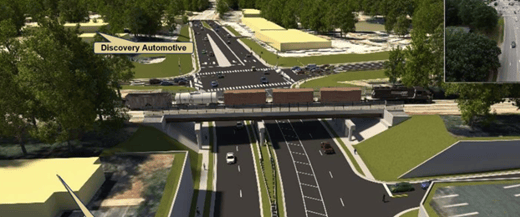
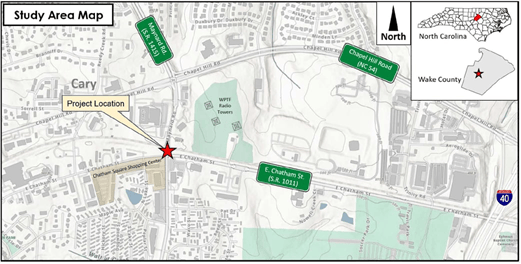
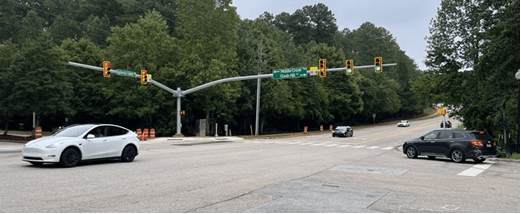
Several residents and business owners spoke at the council meeting about NCDOT’s Maynard Road grade separation project. They expressed concerns, rightly so, about the potential loss of vital business in Cary because of this project. After hearing their comments, I am concerned that some of my remarks may have inadvertently misled them. I want to ensure they have the same information available to me so they can fully understand the project, its timeline, and its potential impacts.
Here is what I know:
- Project status and design: NCDOT is currently finalizing the design for the Maynard Road grade separation and is scheduled to begin right-of-way acquisition next year. The project webpage, which includes the latest design concepts and information, is available at https://publicinput.com/w8761.
- Design alternatives: NCDOT has developed two design concepts. The preferred alternative would lower Maynard Road beneath the existing railroad tracks. Both alternatives would shift Chatham Street south, moving it out of the railroad corridor, which is one of the project’s objectives.
- Relationship to the Trinity Road project: The Trinity Road grade separation project is scheduled to precede the Maynard Road project and would serve as a detour during construction on Maynard. The schedules for both projects are reflected in the State Transportation Improvement Program (STIP).
- Funding and timeline: Funding for right-of-way acquisition is included in the 2028 STIP, while construction funding is included in the 2031 STIP. Based on the current schedule, construction is anticipated to begin in spring 2032. However, delays are common with STIP projects, so this timeline could change.
The public comment period is closing soon! NCDOT is asking the public to submit all comments by October 27. I encourage residents and business owners who have questions or concerns about the project to review the available information and submit their feedback before the deadline. All project details, including the design concepts, are available on the NCDOT project webpage.
I want to be clear that while these are the details I have at this time, the project will have significant implications for the surrounding businesses and community. The concerns raised at the council meeting deserve serious consideration, and I believe it is important that residents and business owners have accurate, complete information as this project moves forward.
WRAL Continues False Narrative on Cary
This week, WRAL once again promoted the misleading narrative that Cary is experiencing financial trouble especially with spending. The station ran a headline stating, “Cary leaders to consider more actions after state audit finds ‘culture of extravagant spending.’” While it is true that the state auditor used this phrase, it is equally important to recognize the broader financial picture. Cary maintains the highest ratings of all bond rating agencies, reflecting the town’s strong financial position. Other audits have also found Cary to be financially sound. In addition, we continue to receive national awards.
These facts raise an important question: If Cary’s finances are as troubled as WRAL’s coverage seems to suggest, how do we reconcile that narrative with the town’s outstanding bond ratings and demonstrated financial strength? Responsible reporting should present the full picture, not simply repeat a provocative quote that reinforces a particular narrative. The fact is that you can’t be in a strong financial position if you have extravagant spending.
Unfortunately, WRAL continues to rely on this quote in story after story about Cary. I believe the station has used it more frequently than all other news outlets combined. Repeatedly emphasizing this phrase while giving insufficient attention to Cary’s strong financial standing creates a distorted impression of the town’s fiscal health.
It is especially disappointing because I once considered WRAL my hometown news station. Rather than providing fair, balanced, and comprehensive coverage of one of the strongest municipalities in its viewing area, the station appears to have turned against Cary, relying on reporting that too often feels more like opinion than objective journalism.
Cary residents deserve better. We deserve reporting that examines all the facts, provides appropriate context, and fairly represents the financial condition of our town. WRAL has a responsibility to its viewers to do just that.
To be fair, I believe the other local news outlets have generally done a reasonable job covering Cary. However, I remain concerned about the News & Observer’s apparent pursuit of potential “gotcha” stories through public records requests. For example, the newspaper recently requested all of my emails from September 22 through September 28, inclusive. I find the specific timeframe interesting, particularly because, after reviewing my emails from those dates, I have not identified anything that stands out as particularly noteworthy.
Of course, I cannot know what, if anything, the newspaper intends to do with those records. But the request raises questions about what story might ultimately emerge from them. Public records requests are an important tool for transparency and accountability, and journalists have every right to use them. At the same time, the public deserves reporting that presents the records in their proper context rather than selectively using them to construct a predetermined narrative.
Ultimately, whether the subject is Cary’s finances or its public officials, the standard should be the same: fair reporting, factual accuracy, and a commitment to presenting the complete picture.
Town Manager’s Report
Council,
I want to thank you again for your trust and confidence in appointing me as Town Manager last night. Cary is such a special place, with so many wonderful people that deliver our exceptional services to our residents, which keep our community great. I’m excited about the future and the opportunities ahead and look forward to continuing our work together to move Cary forward.
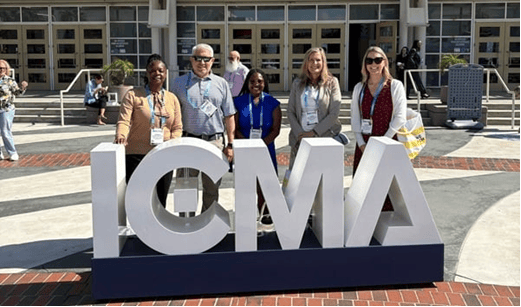
Earlier this week, Danna and I attended the International City/County Management Association (ICMA) Annual Conference. It was great to spend time with other managers from North Carolina and across the country and hear about what they’re doing in their communities. I especially enjoyed the keynote speakers and so many lessons learned by hearing about work in other communities. It’s always good to hear different perspectives and bring new ideas back to Cary.
Have a great weekend.
Russ Overton
Cary Town Manager
Moving Forward Dashboard Updates
Cary has updated its Moving Forward Dashboard to reflect progress through this week, changing the status of one recommendation to Development (WBD 16) and two recommendations to Complete (WBD 13 and WBD 18).
Pedestrian Crossing Improvements at the intersection of Kildaire Farm Road and Kilmayne Drive
Staff responded to a resident’s inquiry regarding pedestrian crossing improvements at Kildaire Farm Road and Kilmayne Drive following the approval of 24-REZ-07 Greenwood Forest Baptist Church. This case is now in the development plan review phase.
NCDOT Maynard Road Grade Separation Public Comment Period Update
NCDOT’s public comment period for the NE Maynard Road grade separation project (P-5718) will end Oct. 27. Additional information, including how to submit feedback, is available on NCDOT’s project website. Cary continues to coordinate with NCDOT on projects within town limits.
Interim Improvements on Ederlee Drive Complete
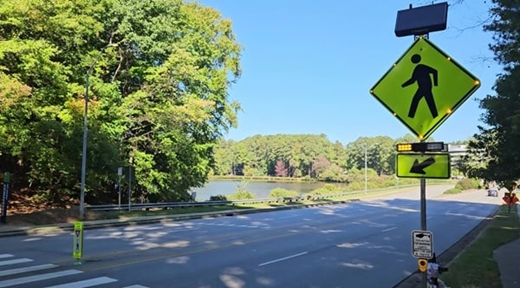
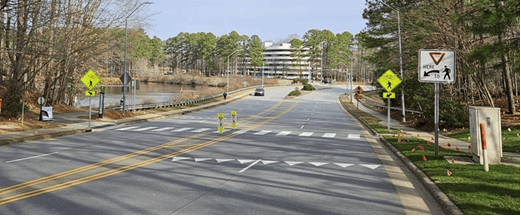
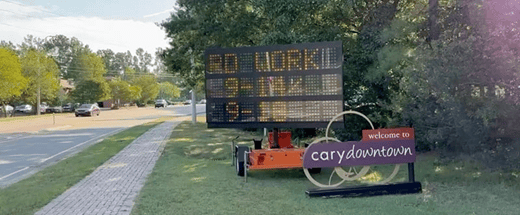
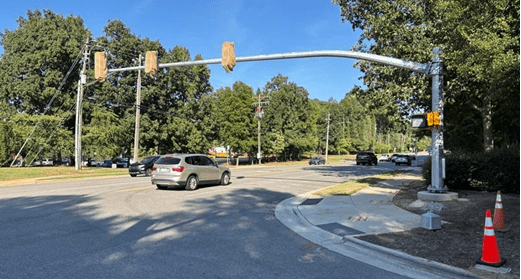
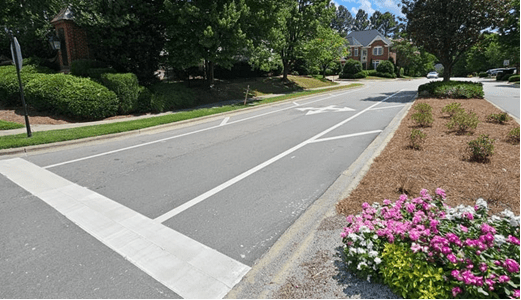
This week, staff completed installation of Rectangular Rapid Flashing beacons (RRFBs) and LED-enhanced signs at the Ederlee Drive crosswalk near Symphony Lake. The system is activated by push buttons at the crosswalk, triggering flashing LED signs and RRFBs at the crossing and several hundred feet in advance of each approach. These interim improvements were completed for less than the $50,000 appropriated by Council in September and will remain in place until the NC Department of Transportation (NCDOT) begins its permanent Pedestrian Hybrid Beacon (PHB) project.
BRT Project Public Engagement
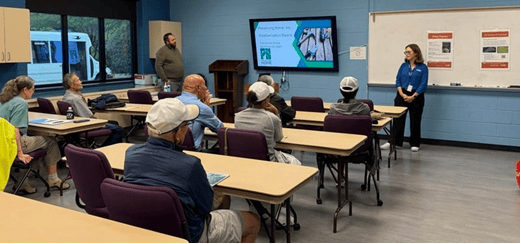
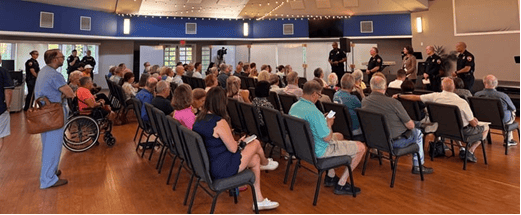
Approximately 75 community members, including residents, business owners, and transit riders, attended an open house Tuesday evening for the Western Bus Rapid Transit (BRT) project. Raleigh and Cary staff and project consultants discussed proposed corridor improvements, answered questions, and gathered feedback as the project reached the 30% design milestone.
Additional outreach included a business stakeholder meeting at Herb Young Community Center and a pop-up event at the Downtown Cary Park Night Market. The final outreach event in Cary during this design phase will take place at East Cary Middle School’s Global Extravaganza in November to connect with families along the Maynard Road corridor. As the Raleigh-led project advances toward 60% design, outreach will shift from gathering feedback to sharing design progress and next steps.
Annual Water Main Replacement Project Complete
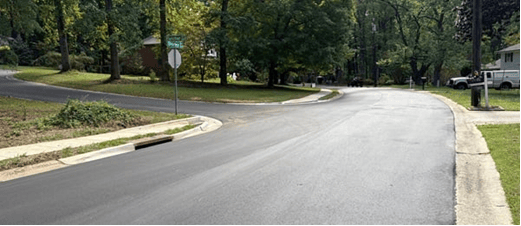
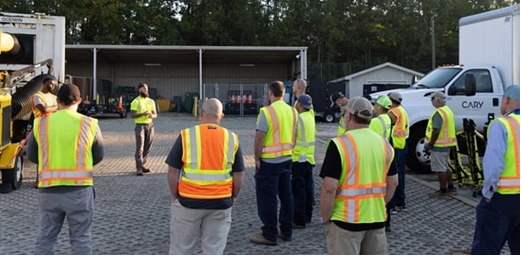
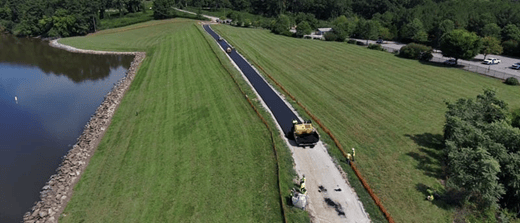
Paving on Shirley Drive was completed this week, marking the completion of the Annual Water Main Replacement Project. The existing 8-inch water main on Shirley Drive was replaced with a 12-inch main to improve the reliability of downtown’s water system and support increased demand. This work builds on water main improvements completed in recent years along Griffis Street, Harrison Avenue, Kildaire Farm Road, Walnut Street, and Walker Street, creating a reinforced water main loop on the south side of downtown. This year’s project also included new water mains along Tanglewood Drive, Logan Circle, and Carnoustie Circle, as well as new connections at Sarazen Meadow Way and Crabtree Crossing Parkway. The project was completed on schedule and within its $4.2 million Utility Fund budget.
SAS Championship Recap
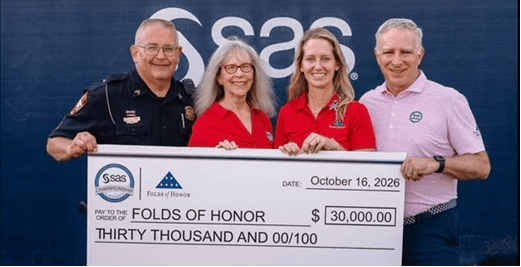
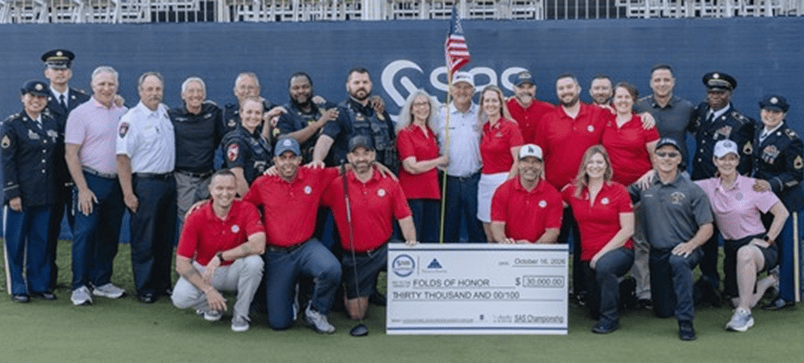
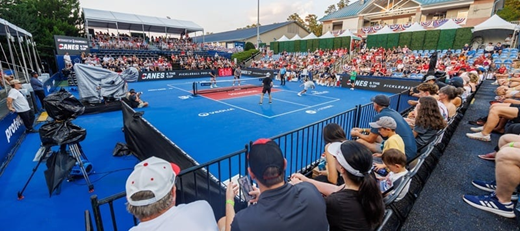
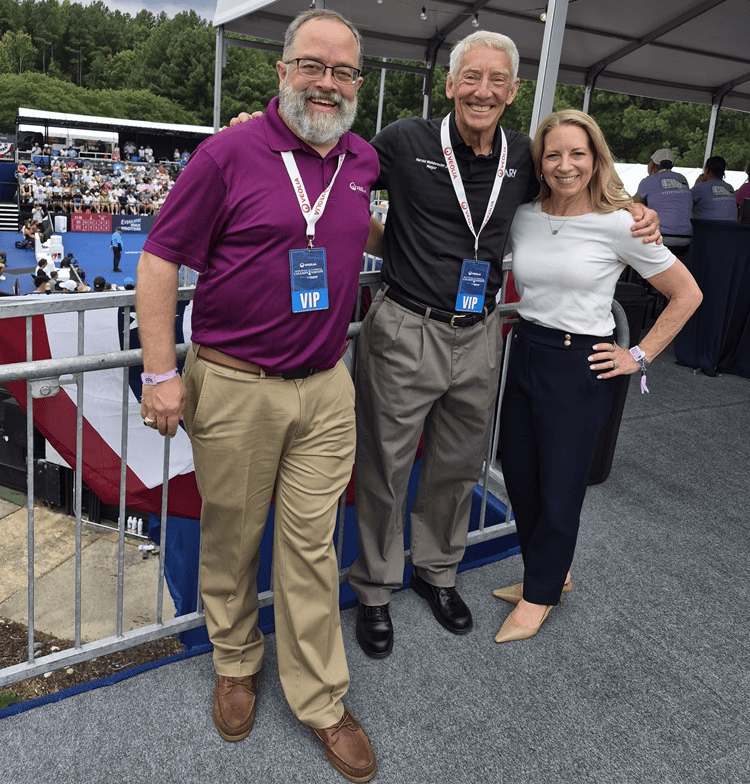
Last week, the SAS Championship returned to Prestonwood Country Club, with more than 64,000 tickets in circulation and 31% of estimated visitors traveling at least 30 miles, up from 29% in 2025. The week featured Women’s Day, themed “Redefining Luck”; Folds of Honor Friday, recognizing 13 local scholarship recipients from military and first responder families; and a 5K race. In partnership with host charity YMCA of the Triangle, the tournament has contributed more than $6 million to youth education initiatives over its 25-year history.
CaryLIVE! Recap
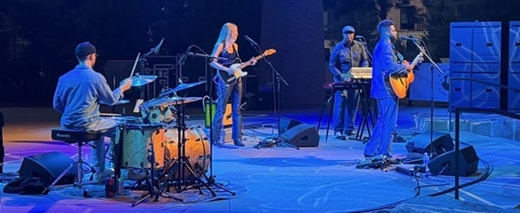
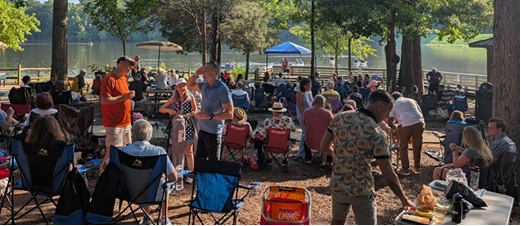
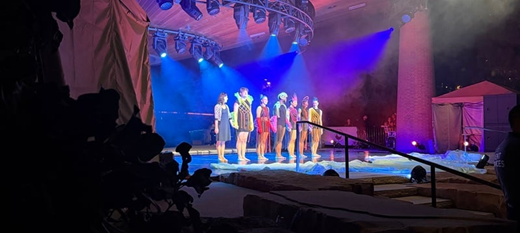
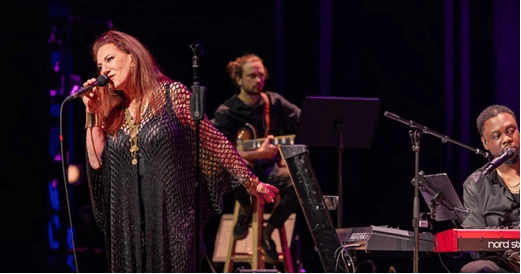
CaryLIVE! wrapped up its summer-to-fall season Saturday with a high-energy performance by Harvey Street at the Great Lawn Pavilion. The free outdoor concert series featured a diverse lineup of acclaimed national touring artists and regional favorites, drawing more than 6,000 attendees across five performances at Downtown Cary Park.
Important Dates
Planning and Zoning Board
Monday, October 26, 6:30 p.m.
Council Work Session
Tuesday, October 27, 5:30 p.m.
Economic Development Committee
Wednesday, October 28, 5:15 p.m.
Cultural Arts Committee
Wednesday, October 28, 6:00 p.m.
Mayor’s Mailbox
- A complaint about the speed limit outside Oak Grove Elementary.
- A complaint about water management (Cary never got below 200 days of supply this year).
- Complaints about odor from the Western Wake Regional Wastewater facility in New Hill.
- Several complaints about ICE.
- A recommendation against the “ordinance push” for a vaping/smoking ordinance.
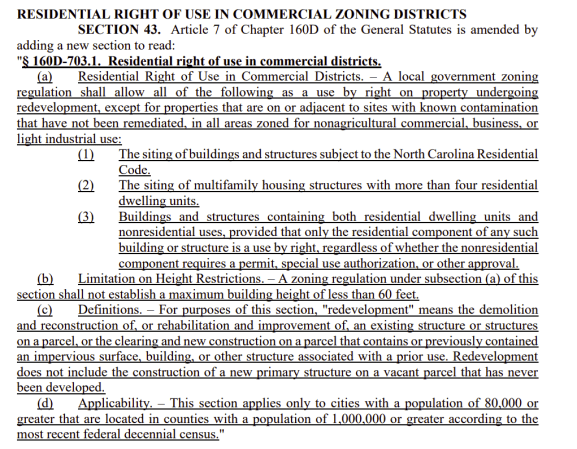
- A complaint about the Trenton Road rezoning (they can now build by right and don’t require council approval due to legislation passed in August).
- A complaint about the Maynard Road grade separation project.
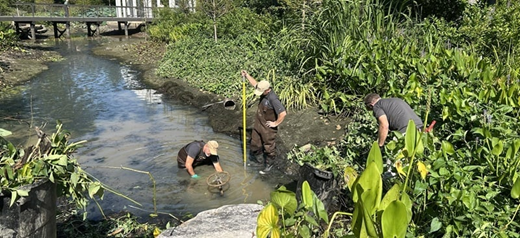
- A complaint about a bridge replacement project in Walnut Street Park.
Next Week
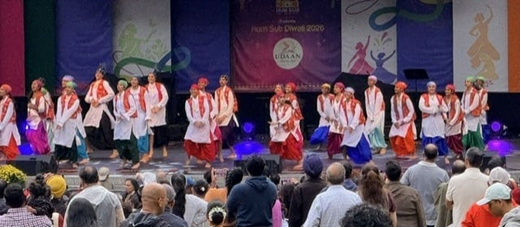
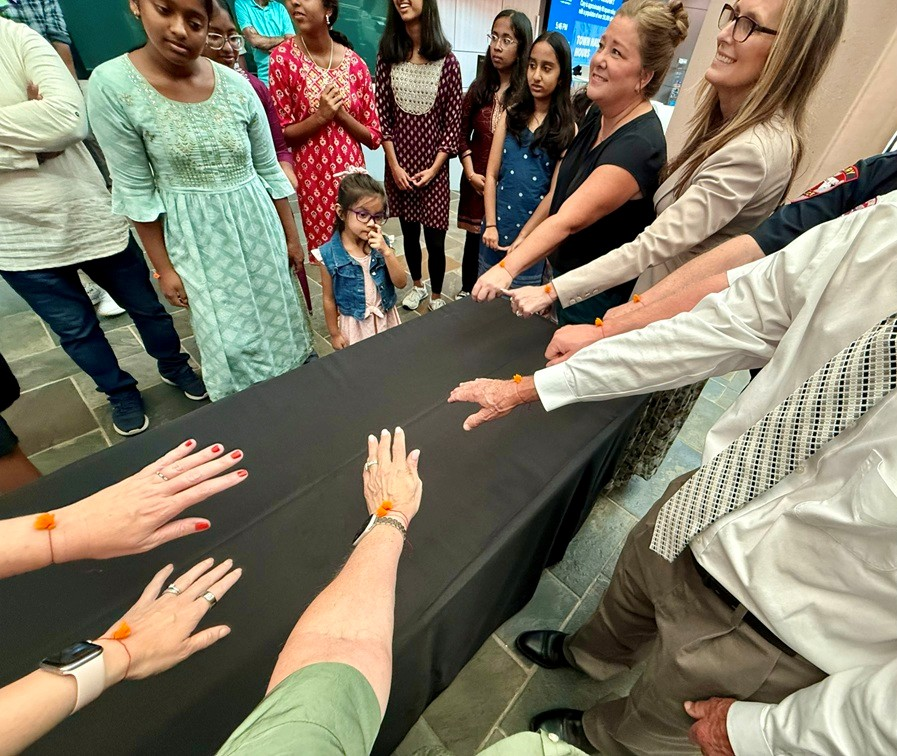
Next week’s activities include staff meetings, Diwali Celebration in Downtown Cary Park, Council work session, an HOA meeting, an Economic Development Committee meeting, and a Council Recommendations committee meeting.
My next post will be on Sunday, November 1st, 2026. Please send all Town of Cary questions or comments to Harold.Weinbrecht@carync.gov. Note that all emails sent to me in my role as mayor are public documents.
Dashboard of Recommendations by Cherry Bekaert, OSA, and Womble Bond Dickinson
The latest updates on the Town’s actions in response to recommendations from Cherry Bekaert, the Office of the State Auditor (OSA), and Womble Bond Dickinson are available on the Town’s Moving Forward Dashboard. There are 39 recommendations in total. This link gives the progress on each of those recommendations:
https://www.carync.gov/connect-engage/newsroom/bottom-line/moving-forward-dashboard
You can also sign up to receive notifications whenever the dashboard is updated.
Council Initiated Items
The council has a process that allows members to introduce items for discussion at meetings, often leading to further action. Given the recent increase in these requests, I will begin sharing them here along with my perspective on their pros and cons.
Partnering with the school board to pilot school zone safety improvements
This proposal was submitted by Council Member Bansal, and I provided the second. It was brought up at the May 28th Council meeting.
Several schools in Cary, particularly middle schools and high schools, are experiencing transportation safety concerns on and around school property. While the schools are responsible for transportation operations on campus and NCDOT oversees roadway infrastructure decisions, progress on improvements has been slow and resident complaints have continued to increase. This proposal would direct staff to work collaboratively with the schools on programs and strategies to help address these concerns.
PROS:
- Allows the Town to take a more proactive role, even when we are not the primary decision-maker.
- Responds to growing community concerns regarding school transportation safety.
CONS:
- The Town is currently understaffed, so this effort could require shifting staff resources away from other projects.
- Potential solutions could result in additional costs to taxpayers if Cary contributes funding toward implementation.
E-Bike Safety
This proposal was submitted by Council Members Bansal and Richards and presented at the April 16th meeting. It was part of our June 23rd work session.
The council initially launched a pilot program in June 2022 to allow e-bikes. After a one-year trial period, the program was made permanent, with a posted speed limit of 15 mph on greenways. Recently, however, there have been complaints that e-bikes, scooters, and similar devices are traveling at excessive speeds and creating potentially hazardous conditions.
PROS:
- We are listening to our citizens’ complaints.
- Preventing e-bikes and scooters will possibly make greenways safer.
CONS:
- There is basically no way to enforce an ordinance that has e-bikes or not.
- Any enforcement effort would require additional officers and officers’ time. We are currently underfunding officers and require overtime to maintain existing levels of service.
- We are revisiting a decision that was made after a one-year trial and review of data.
Council will vote on a draft ordinance of this later this year.
Smoke Free Ordinance
This proposal was submitted by Mayor Pro-Tem Bush and Council Member Craig and presented at the April 16th meeting. It was part of our June 23rd work session.
PROS:
- Eliminates toxic secondhand smoke.
- Current ordinance does not match state law and Raleigh/Wake ordinance.
CONS:
- Any enforcement effort would require additional officers and officers’ time. We are currently underfunding officers and require overtime to maintain existing levels of service.
The council did not have enough votes to amend the current ordinance at the October 8th meeting. It will return for another vote at a future meeting.
Affordable Housing on Old Library Site
This proposal, submitted by Mayor Pro Tem Bush and Council Member Bansal, would place a podium-style parking deck with affordable housing on the former library site. This has yet to be scheduled for a meeting agenda.
PROS:
- Adds parking across from Downtown Cary Park.
- Create affordable housing units in the downtown area.
CONS:
- May underutilize one of the municipality’s most valuable properties. Downtown Cary Park generates approximately $16 million annually in economic impact, and this site could represent an opportunity for a more transformative use.
- The town has already invested millions in renovating the Ivey-Ellington House, positioning this area as a premier destination.
How Cary Government Works
Cary’s government, like most cities in North Carolina and most mid-sized cities in the U.S., uses a council–manager form of government. This system works a lot like a company, but for local government. Residents elect a council and a mayor, who set policy by passing laws, approving the budget, and guiding the town’s overall priorities. The council then hires a professional manager to run the town’s day-to-day operations.
Think of it like a company: the council acts like a board of directors, making policy and representing the public, while the city manager acts like a CEO, overseeing all departments, such as finance, public works, police, and fire, and managing town staff. The mayor leads council meetings, represents the town publicly, and has limited executive authority. While the council and mayor make policy decisions and receive regular reports, they usually see only high-level summaries rather than the detailed inner workings of each department.
In short, just as a board hires a CEO to run a company, Cary’s council hires a manager to run the town, ensuring professional management while elected officials focus on big-picture decisions and community priorities.
You can find additional information about how Cary’s government works on the town’s website here.
Purpose of this Blog
It is my hope that this blog will provide insight not only into who I am meeting with on behalf of the Town, but also the topics we discuss. I believe strongly in open and transparent government. This blog is one of several initiatives I implemented when I became mayor in 2007 to make the governmental process more accessible to our citizens.
This blog is written with sincerity, honesty, and a commitment to accuracy so our constituents can better understand the work we do. After all, we work for them!